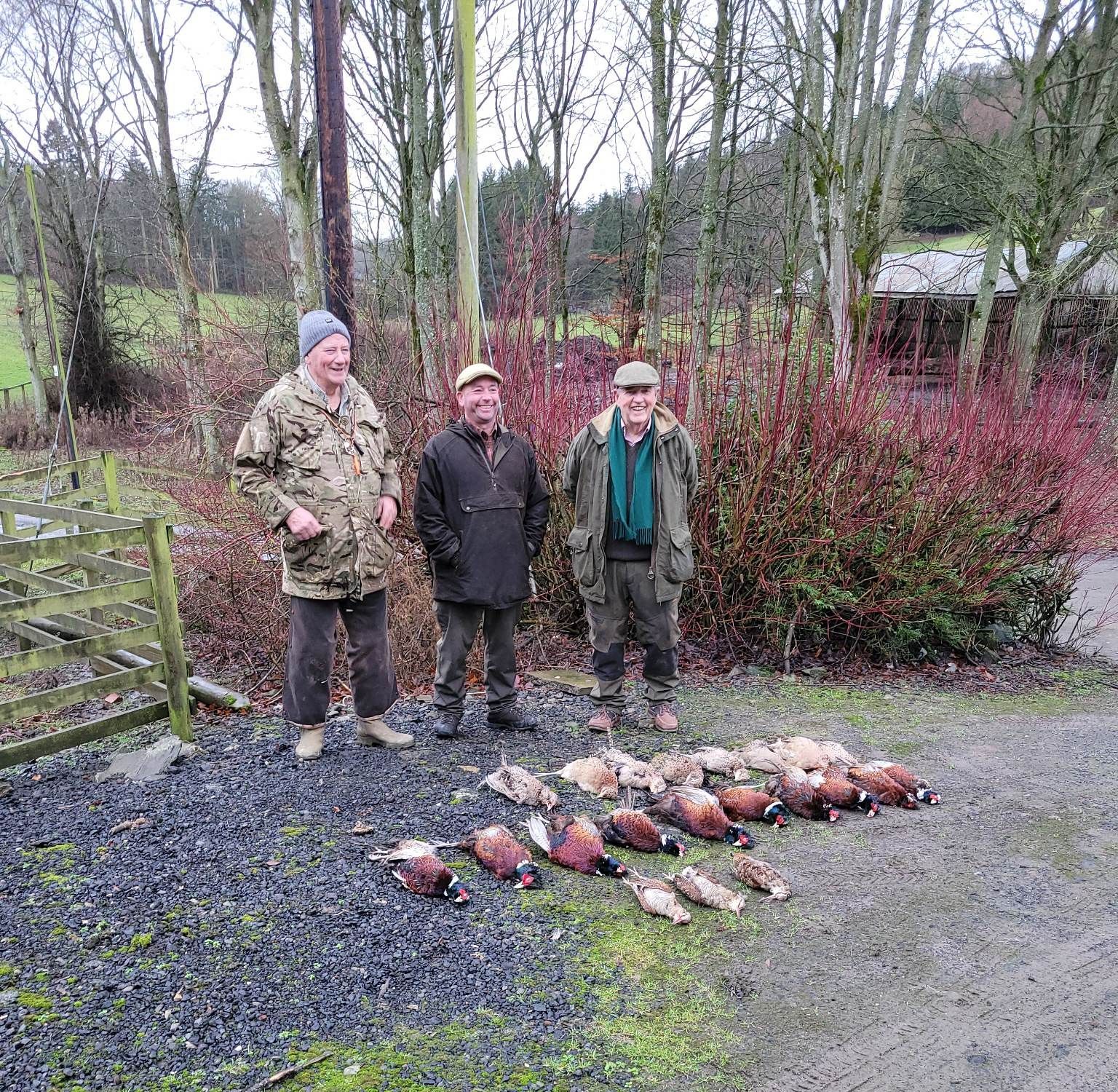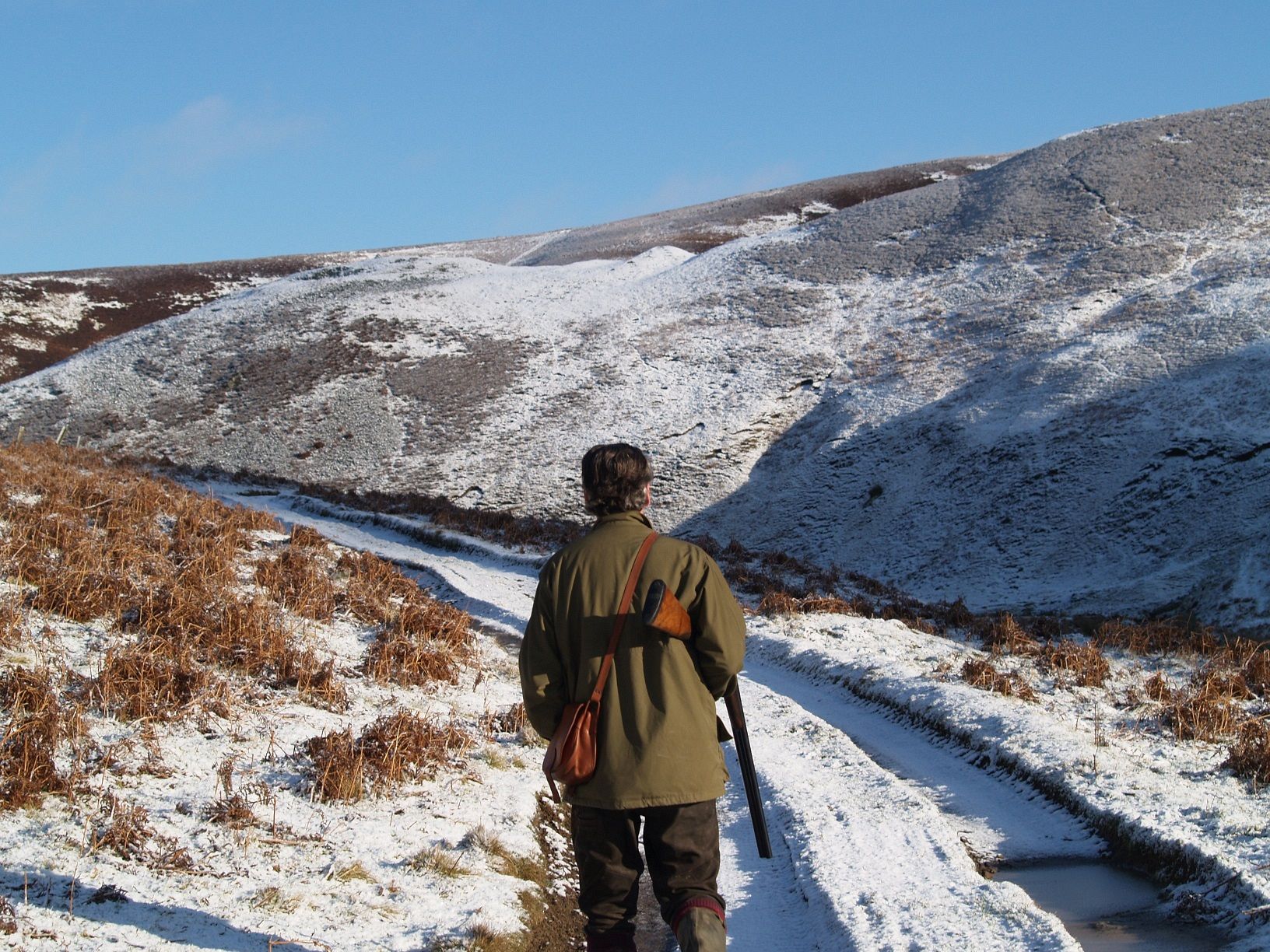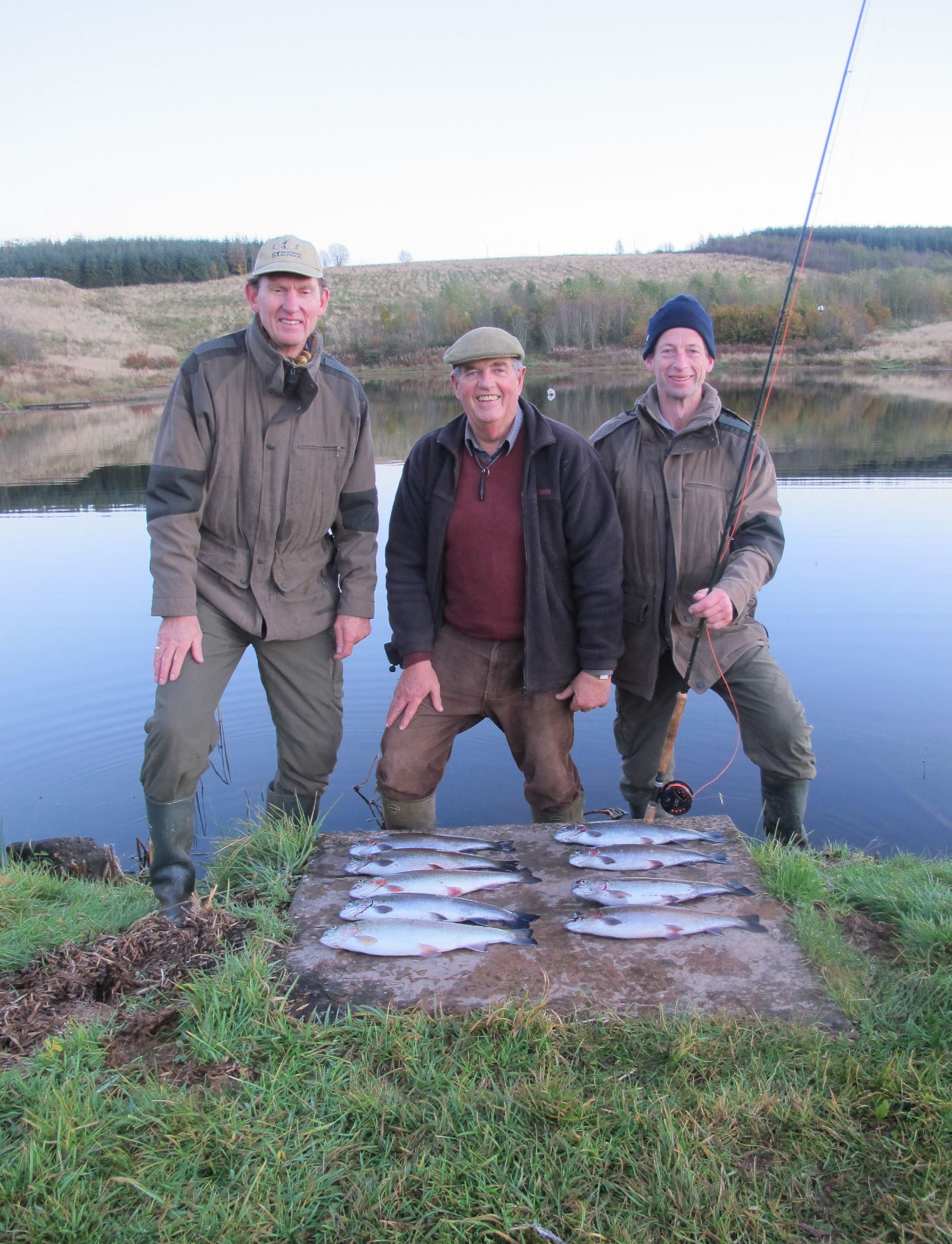

Walked up / Rough shooting in Melrose
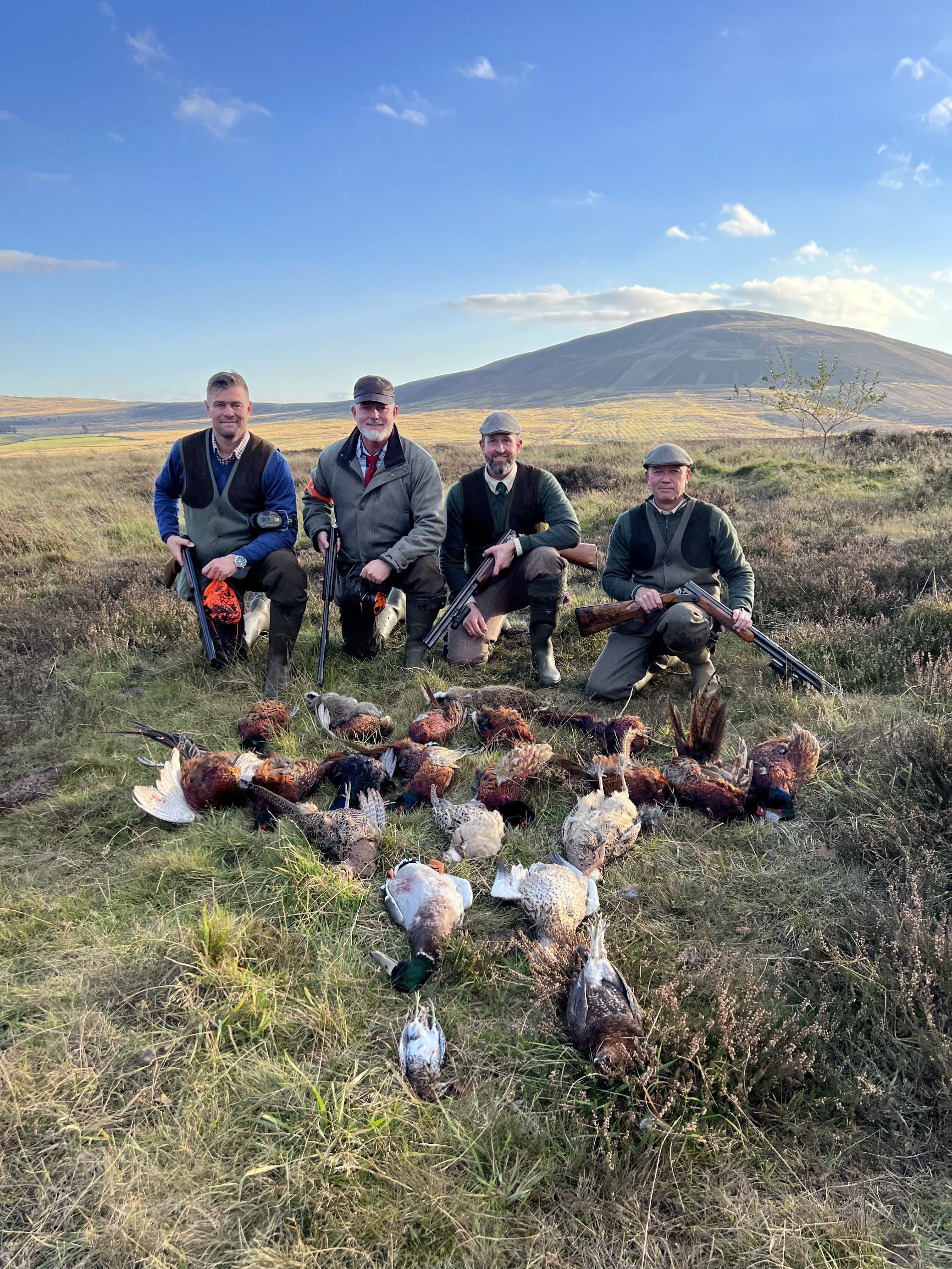
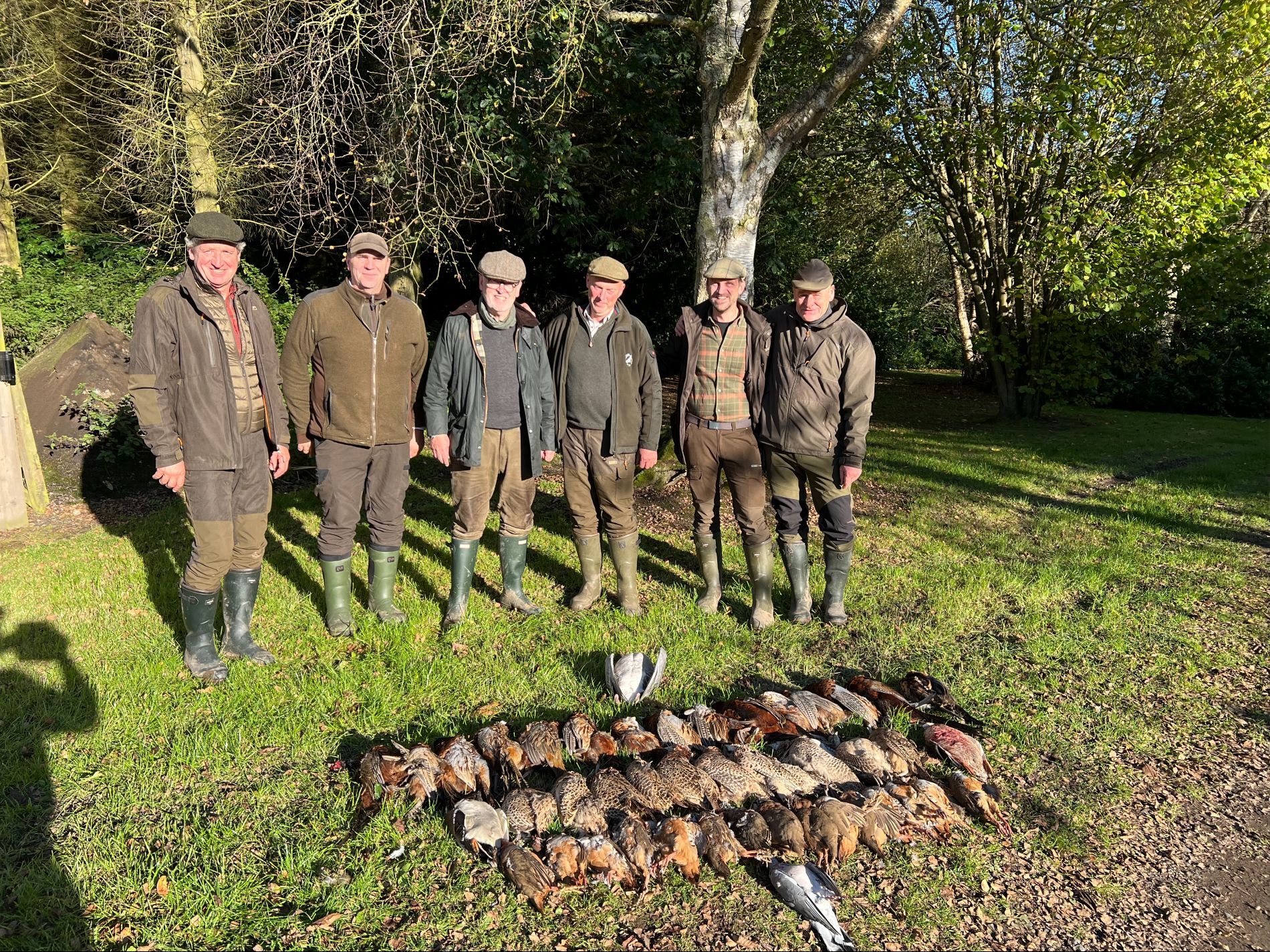
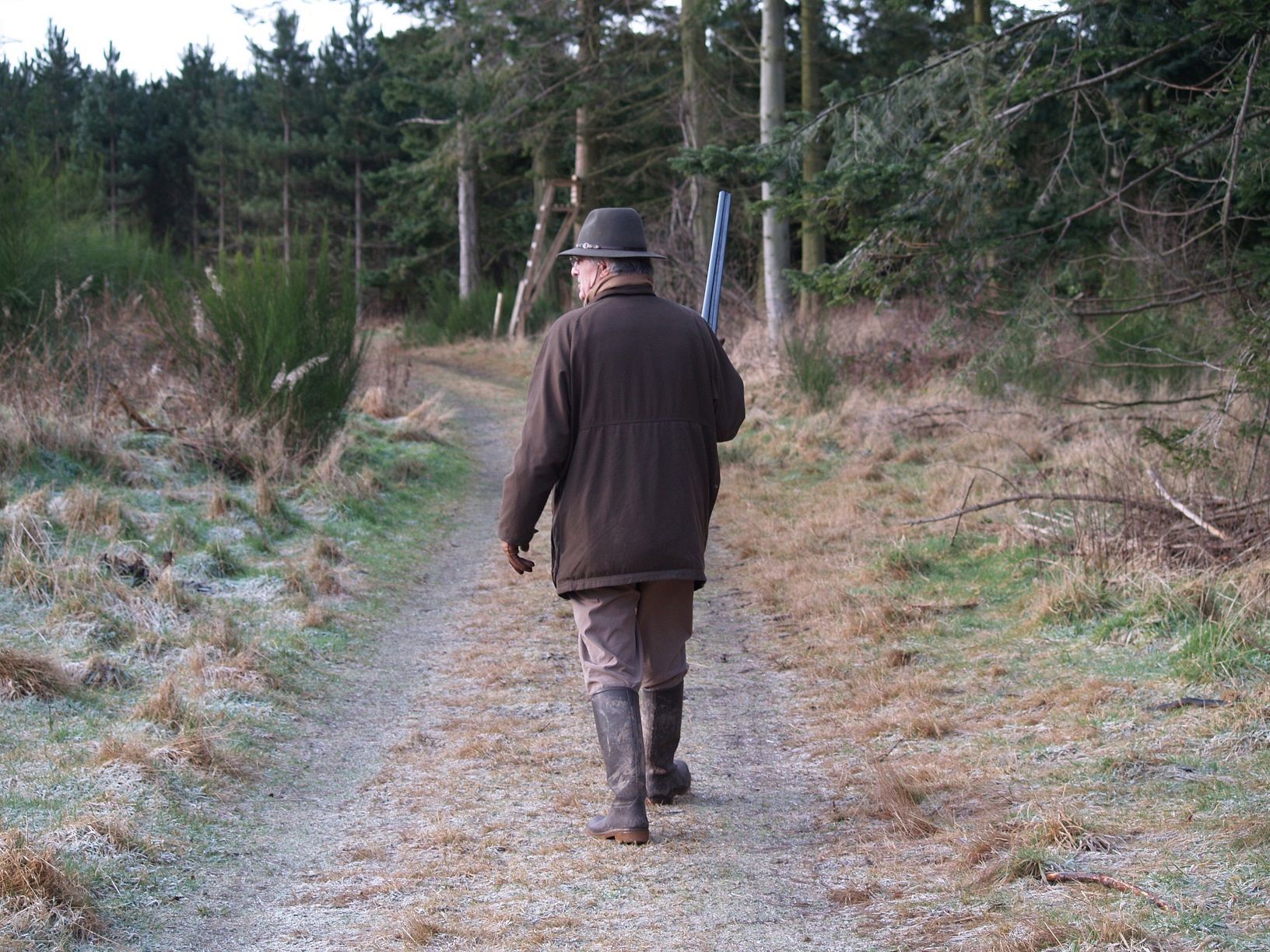
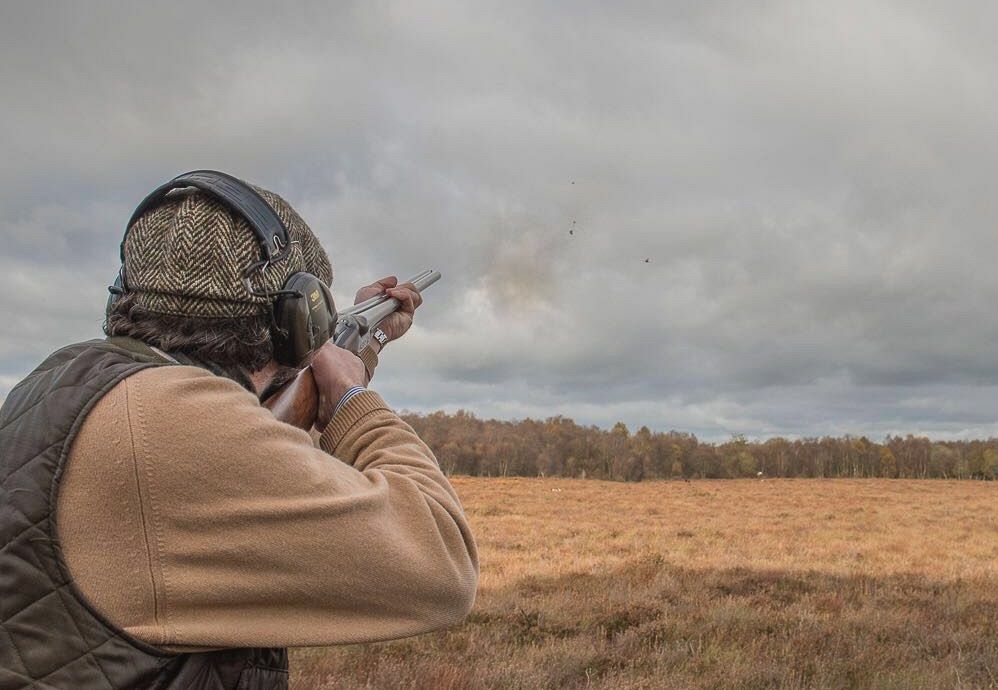
Those who have experienced a classic rough shooting in Scotland know that the hunt itself is only part of the experience. The true joy lies in the companionship, the work of the dogs, and the hunt through the beautiful rolling landscape. Combined with the hospitality, the traditional estates, and the cozy atmosphere at the lodge, a rough shooting becomes an experience you’ll never forget.

Highlights
- Very beautiful countryside
- The ultimate Scottish hunting experience
- Our partner has access to more than 40,000 hectares hunting ground
- Overwhelming choice or very varied hunting


5 days from $3,785
Experience classic Scottish rough shooting at the highest level
Scotland is renowned for its proud hunting traditions and offers a wide range of authentic hunting experiences. One of the most traditional forms is rough shooting or walk-up shooting, where camaraderie, excitement, and nature go hand in hand.
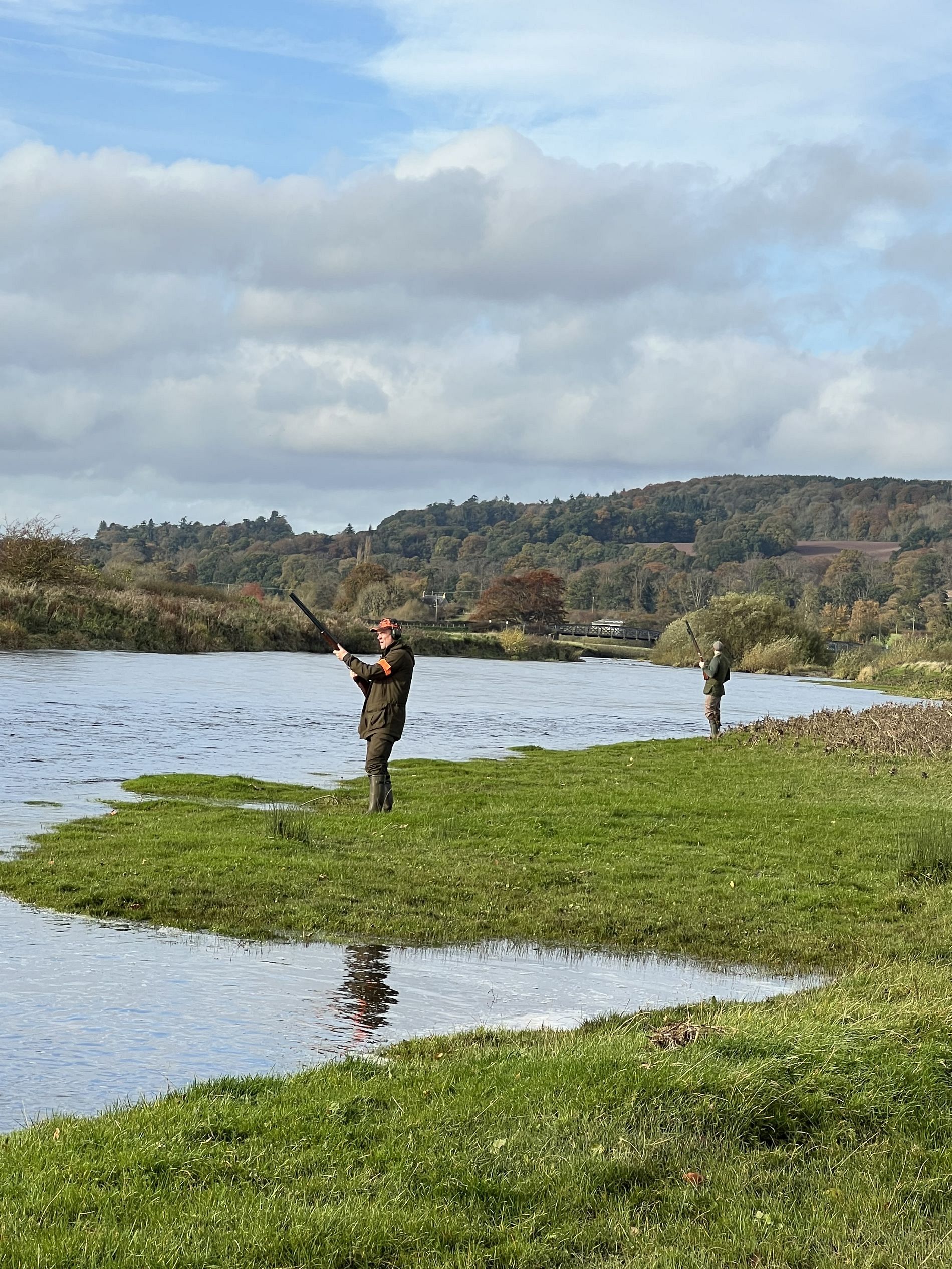
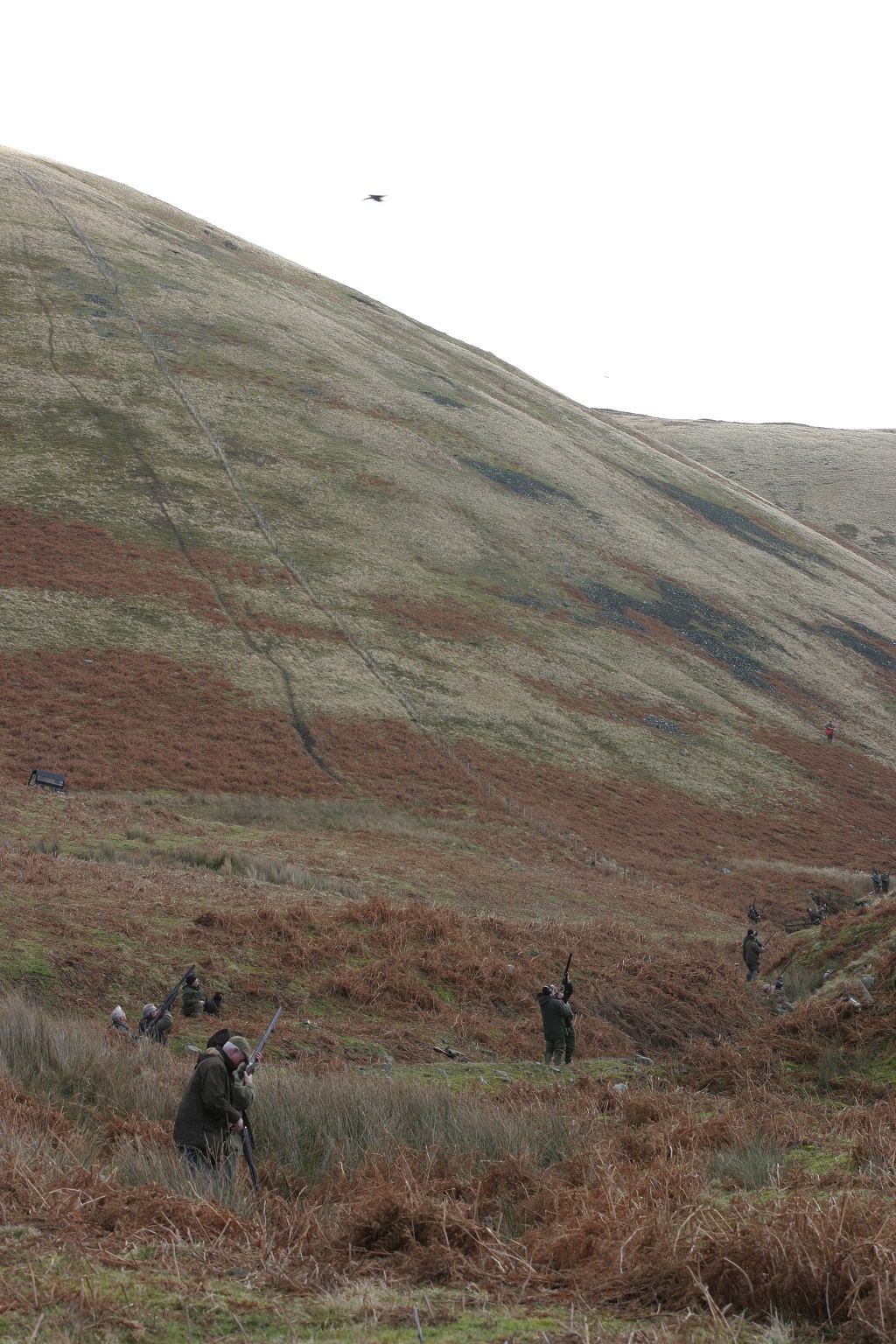
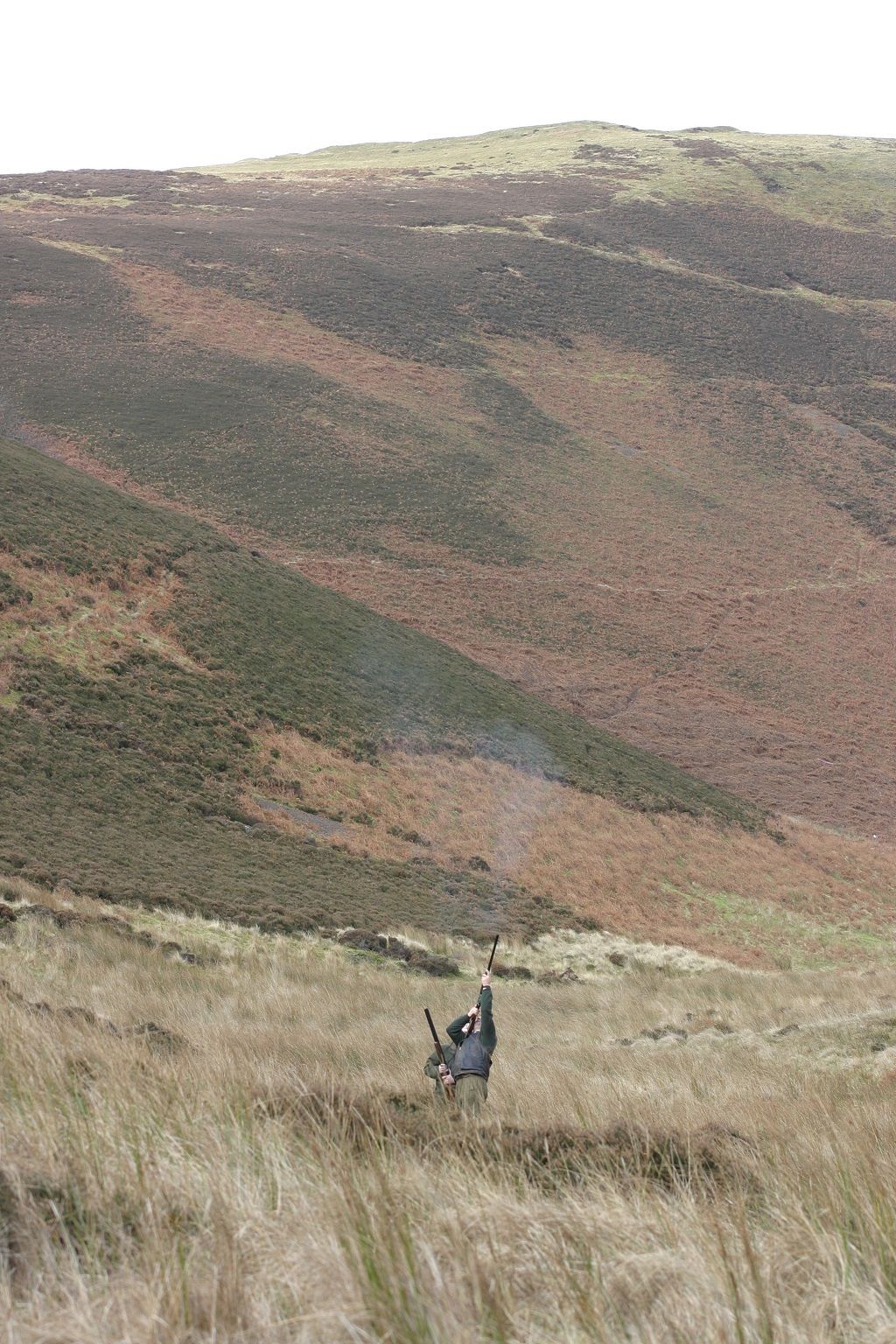
Hunting takes place in beautiful and varied landscapes, from open Highland terrain to lowland meadows, lakes, and rivers, with a focus on a diverse hunt for multiple species rather than sheer numbers.
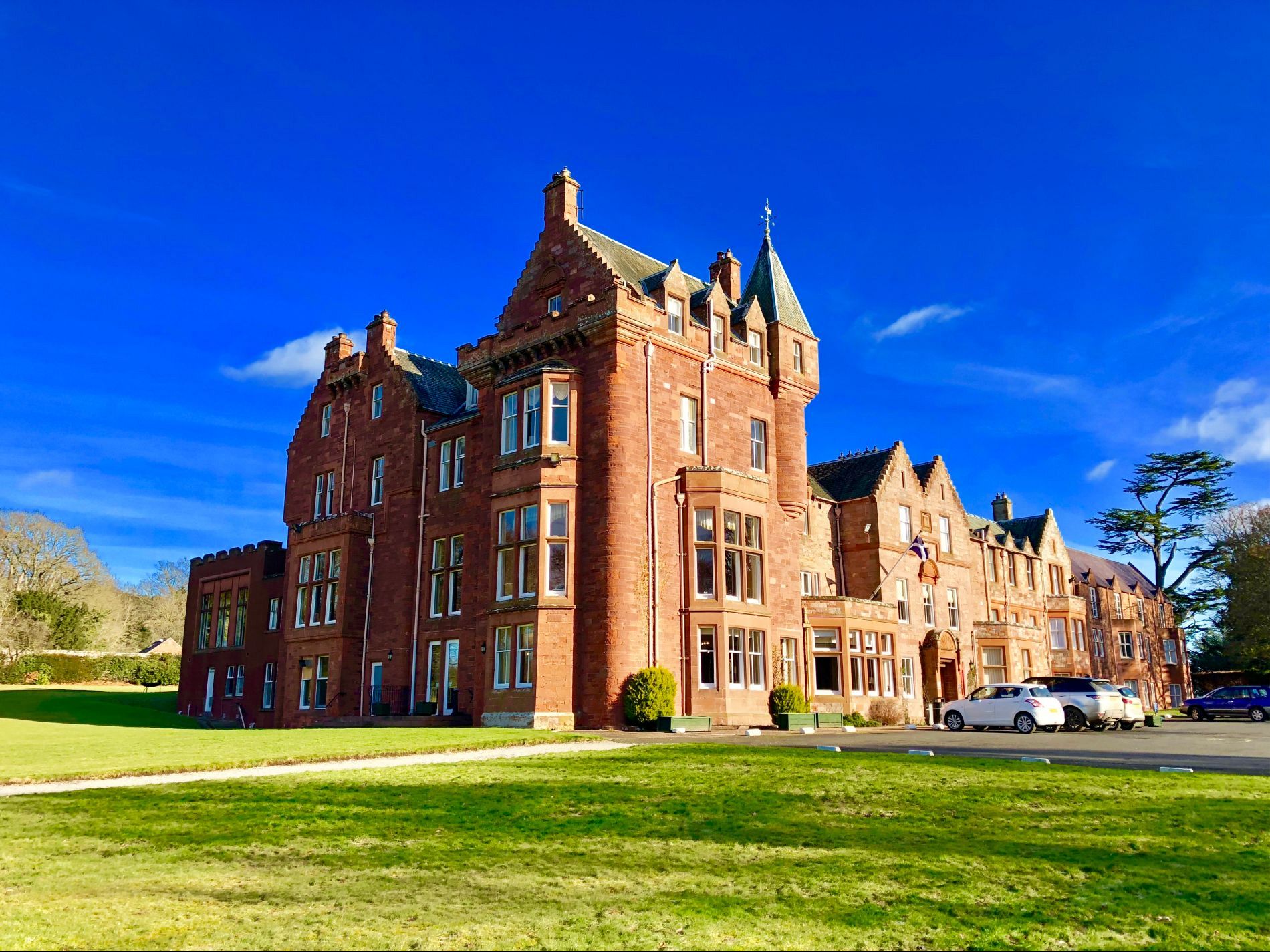
We offer exclusive access to a family-run hunting hotel of international standard. This is the ideal trip for hunters seeking the ultimate Scottish hunting experience, combined with comfortable accommodation for both hunters and their companions.
The hotel was acquired in 2007 with a clear vision of creating a complete hunting experience where both accommodation and hunting are carefully tailored. The result is a high-quality stay with excellent service, a personal atmosphere, and access to outstanding hunting grounds.
The family has access to more than 40,000 hectares of professionally managed hunting land within just 35 minutes’ drive from the hotel.
The hunt
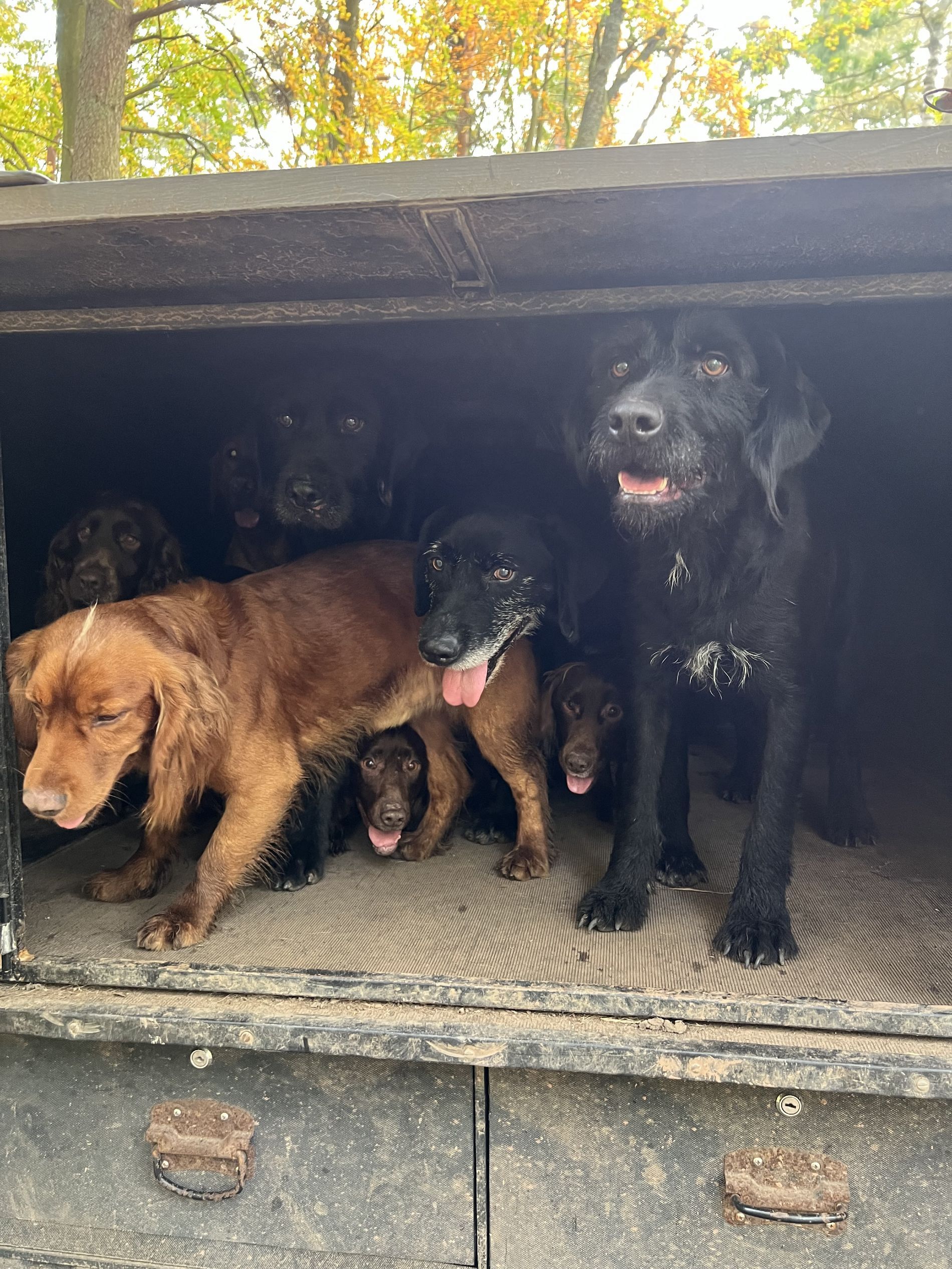
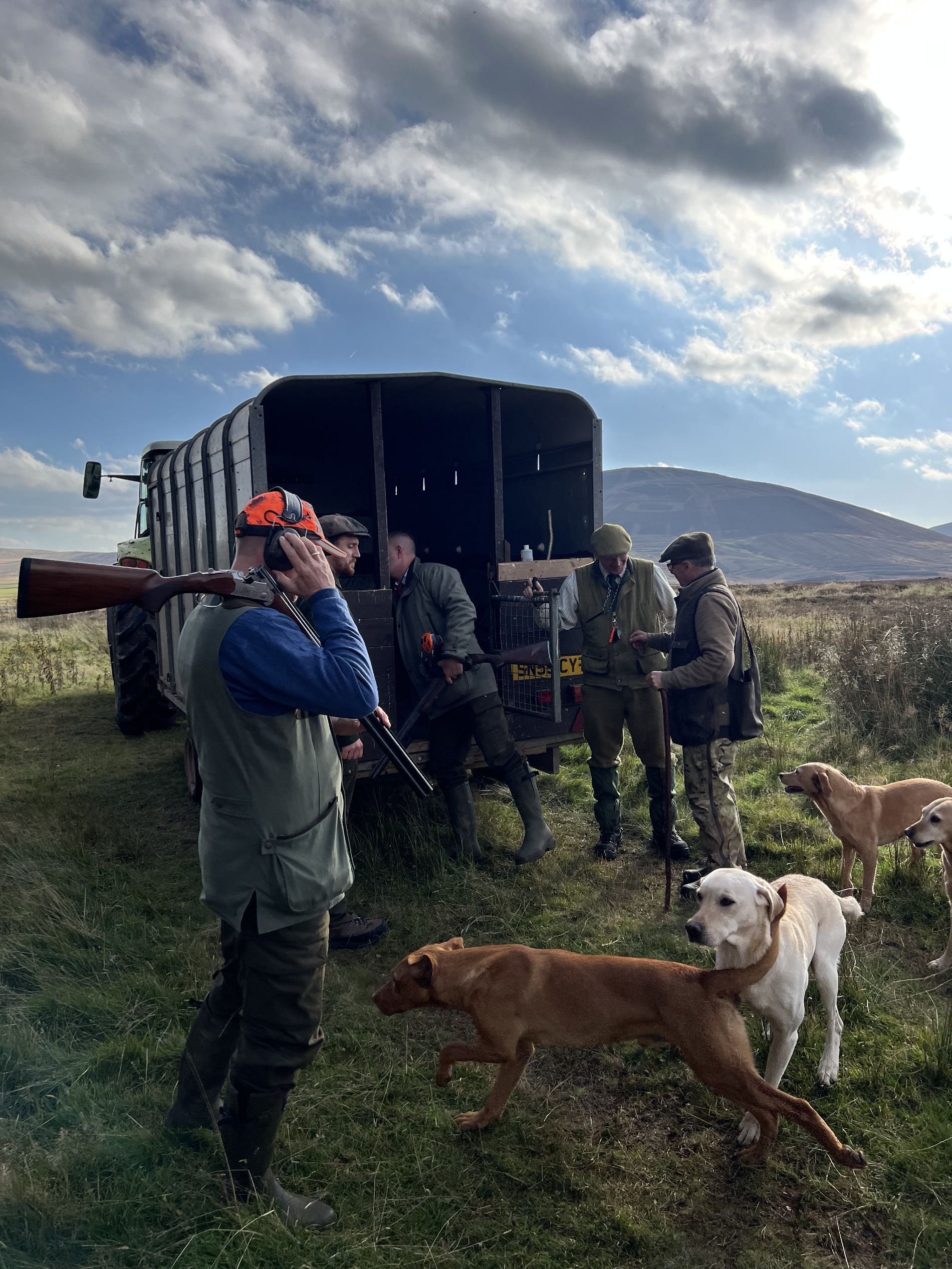
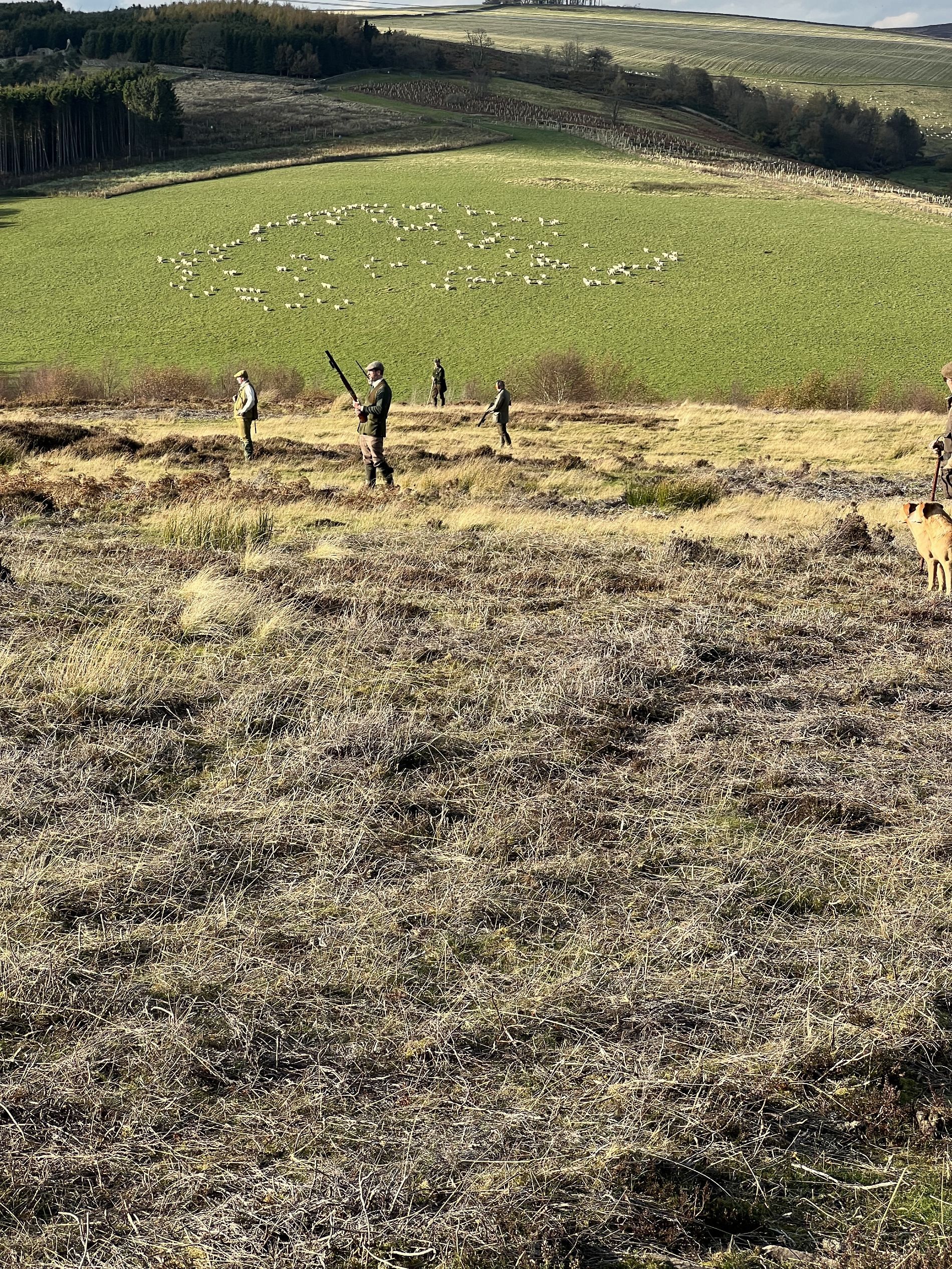
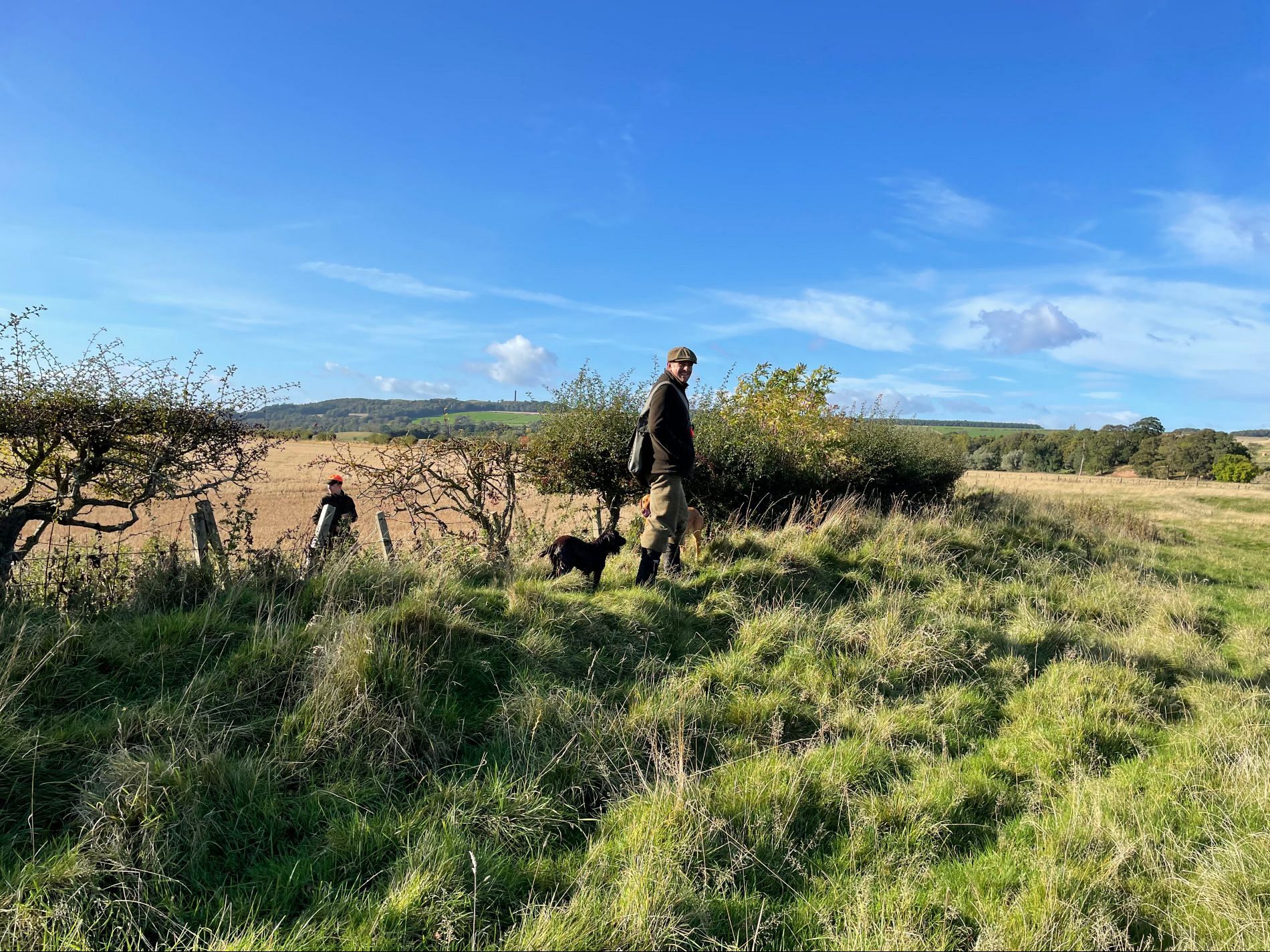
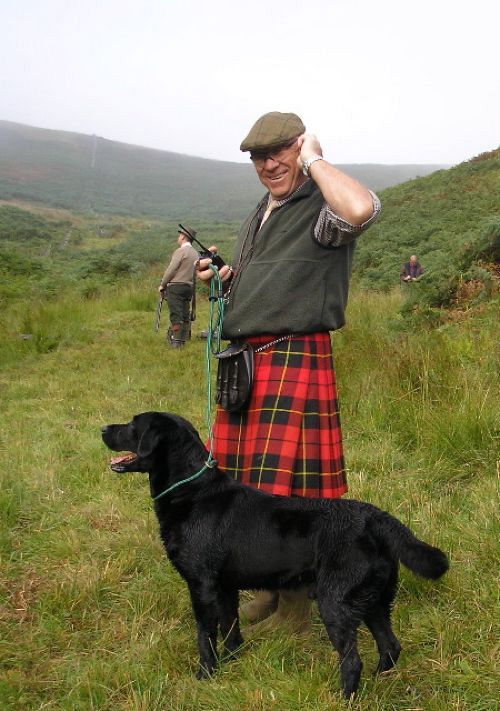
A typical rough shooting day involves hunters and dog handlers, with well-trained Labradors and spaniels, moving in a line through the terrain to flush the game.
Hunting takes place both in the Highlands and in the lower areas around lakes and rivers.
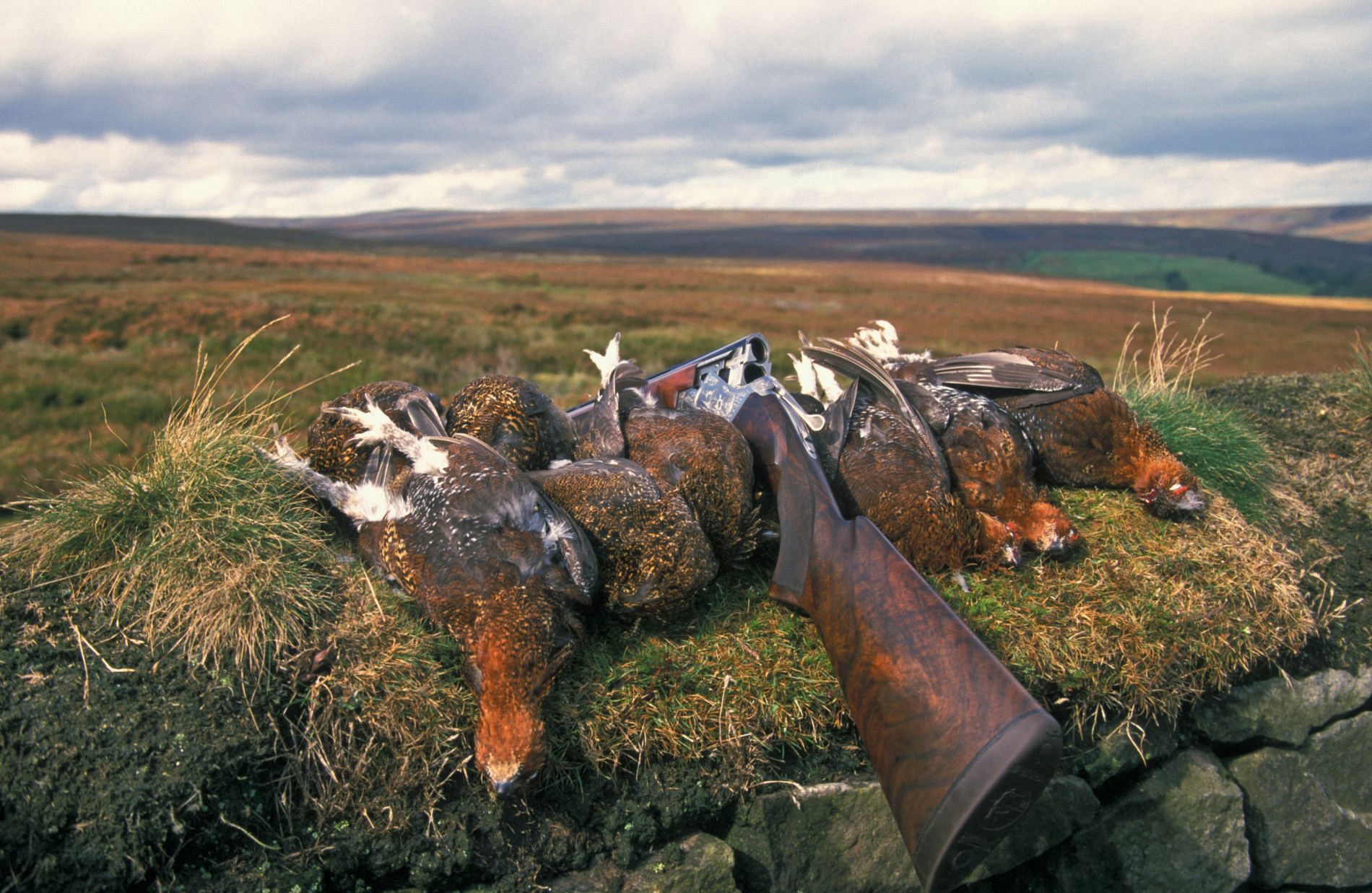
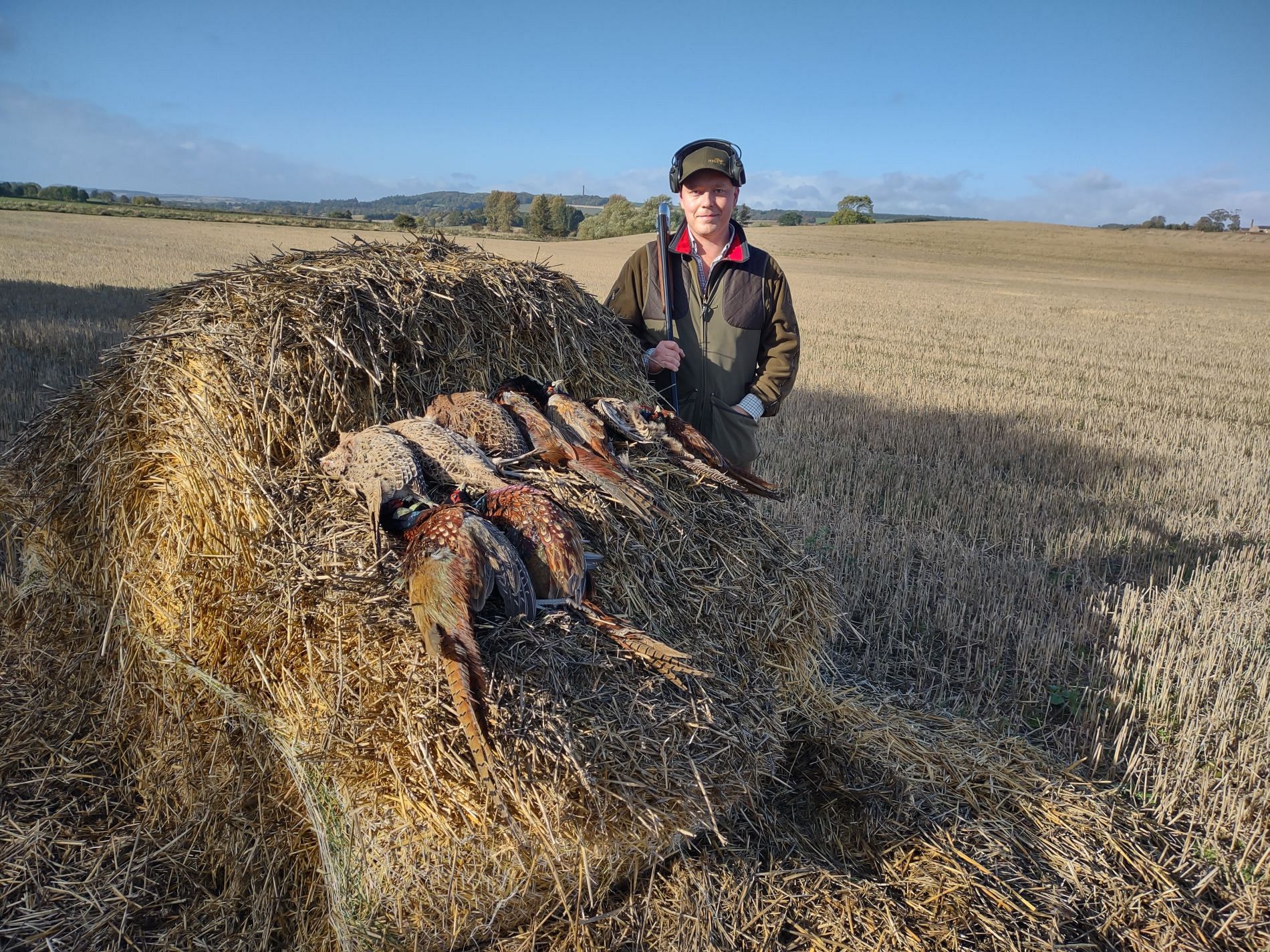
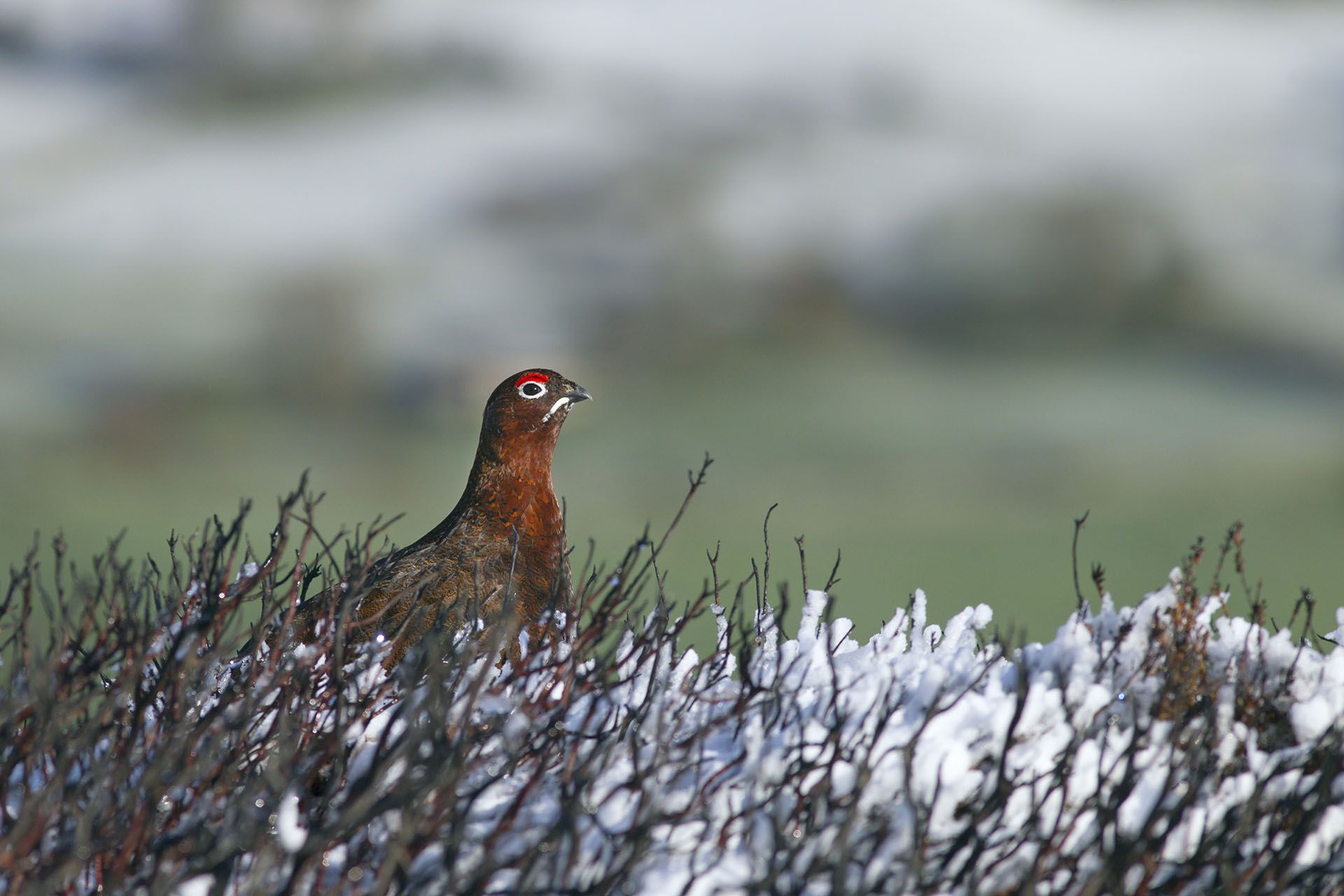
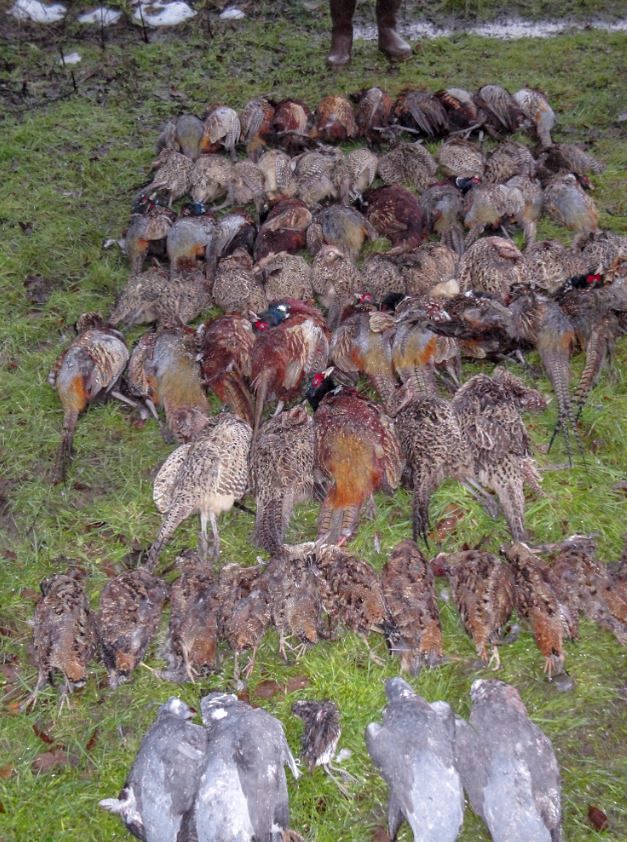
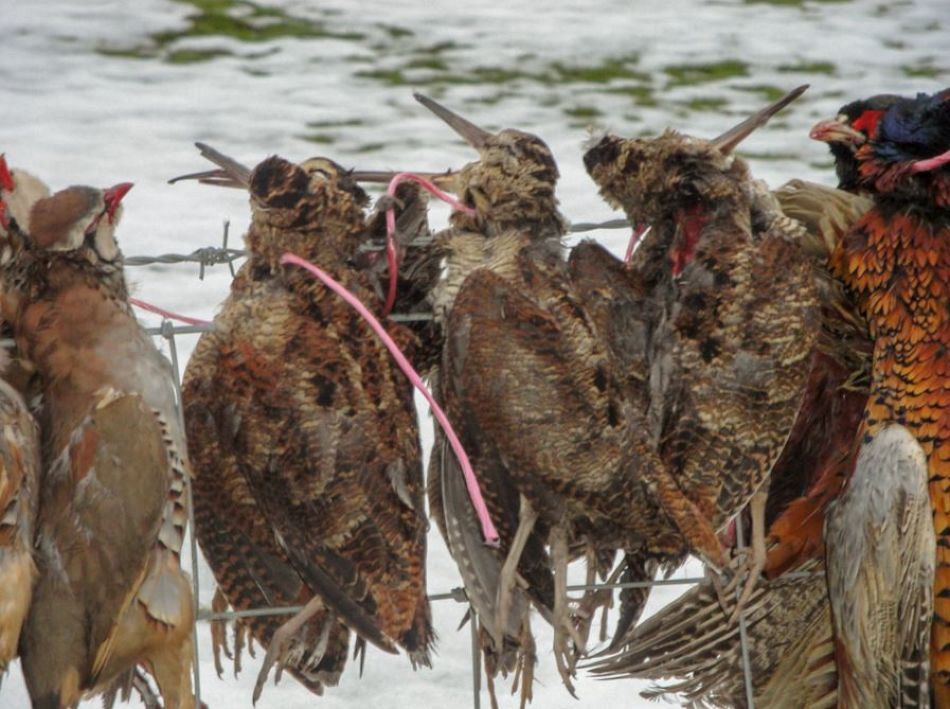
In the Highlands, the main quarry includes hare, partridge, and grouse, while the lowlands offer hare, rabbit, snipe, woodcock, partridge, pheasant, and duck.
You can typically expect a bag of 5–10 head of game per hunter per day, often more depending on conditions.
A typical hunting day
Full Scottish Breakfast at the hotel
Departure for the hunt around 09:00
Morning hunt
Lunch in the field
Afternoon hunt until sunset
Opportunity for evening duck flighting in selected areas
Dinner and relaxation at the hotel
Season:
October to January
Clothing:
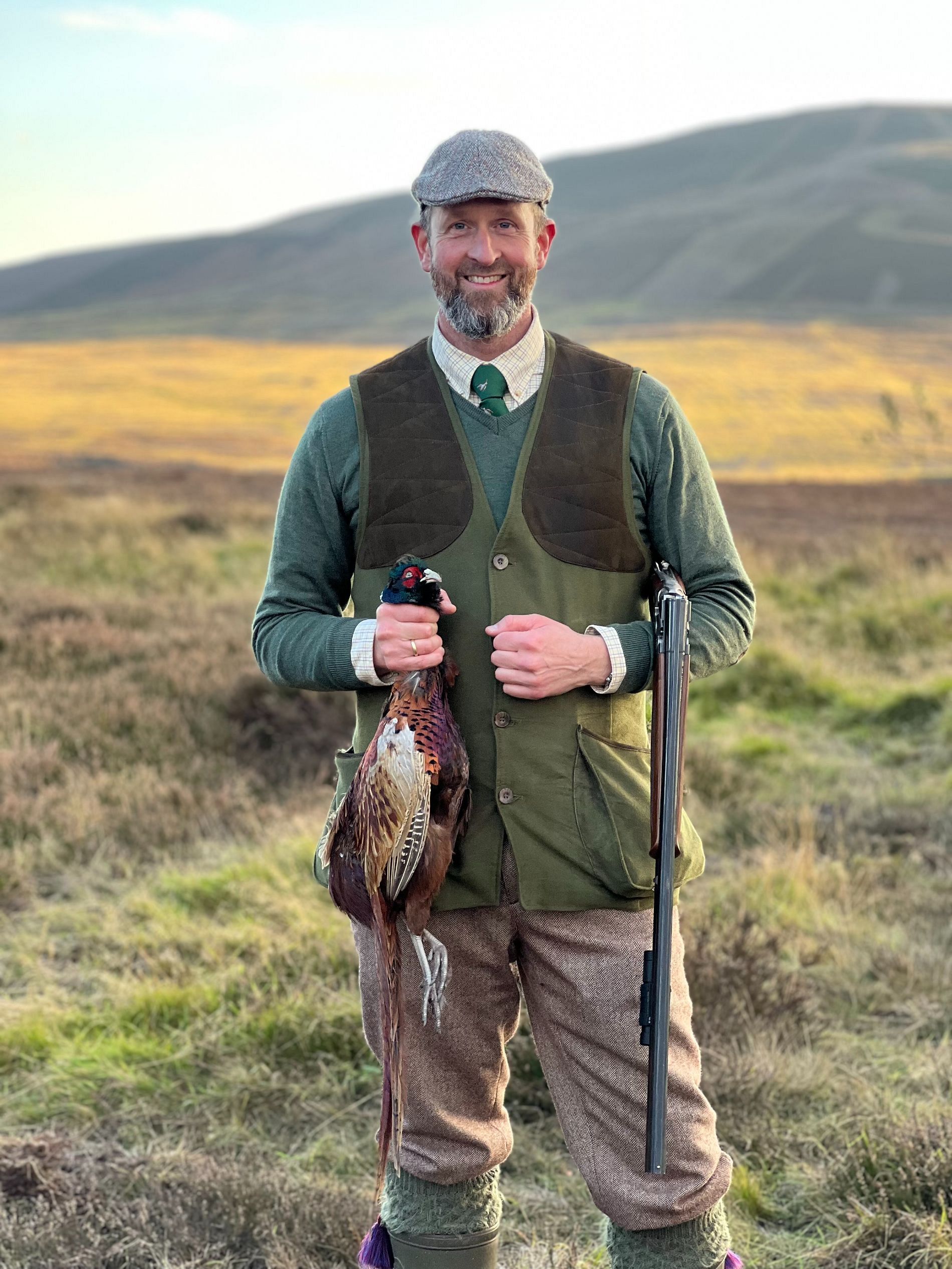
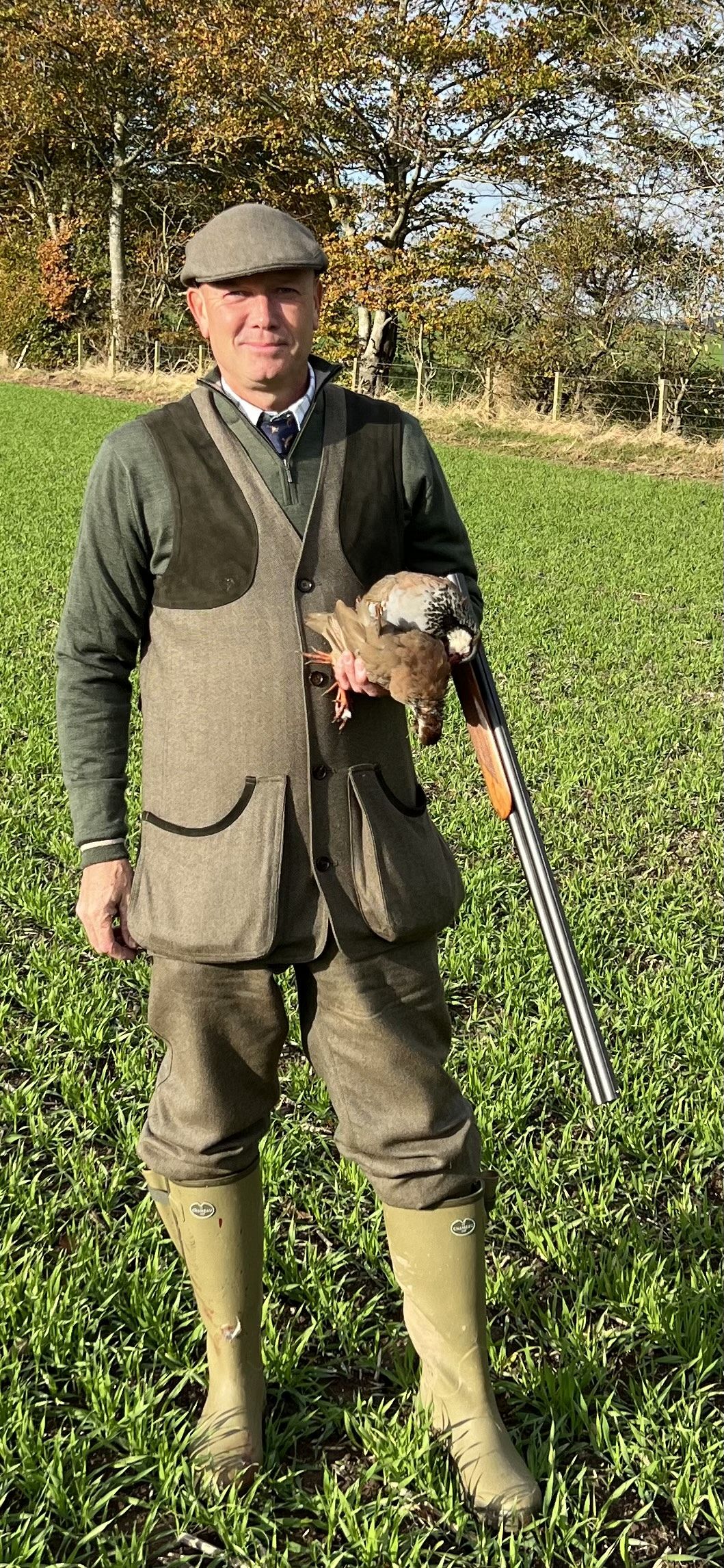
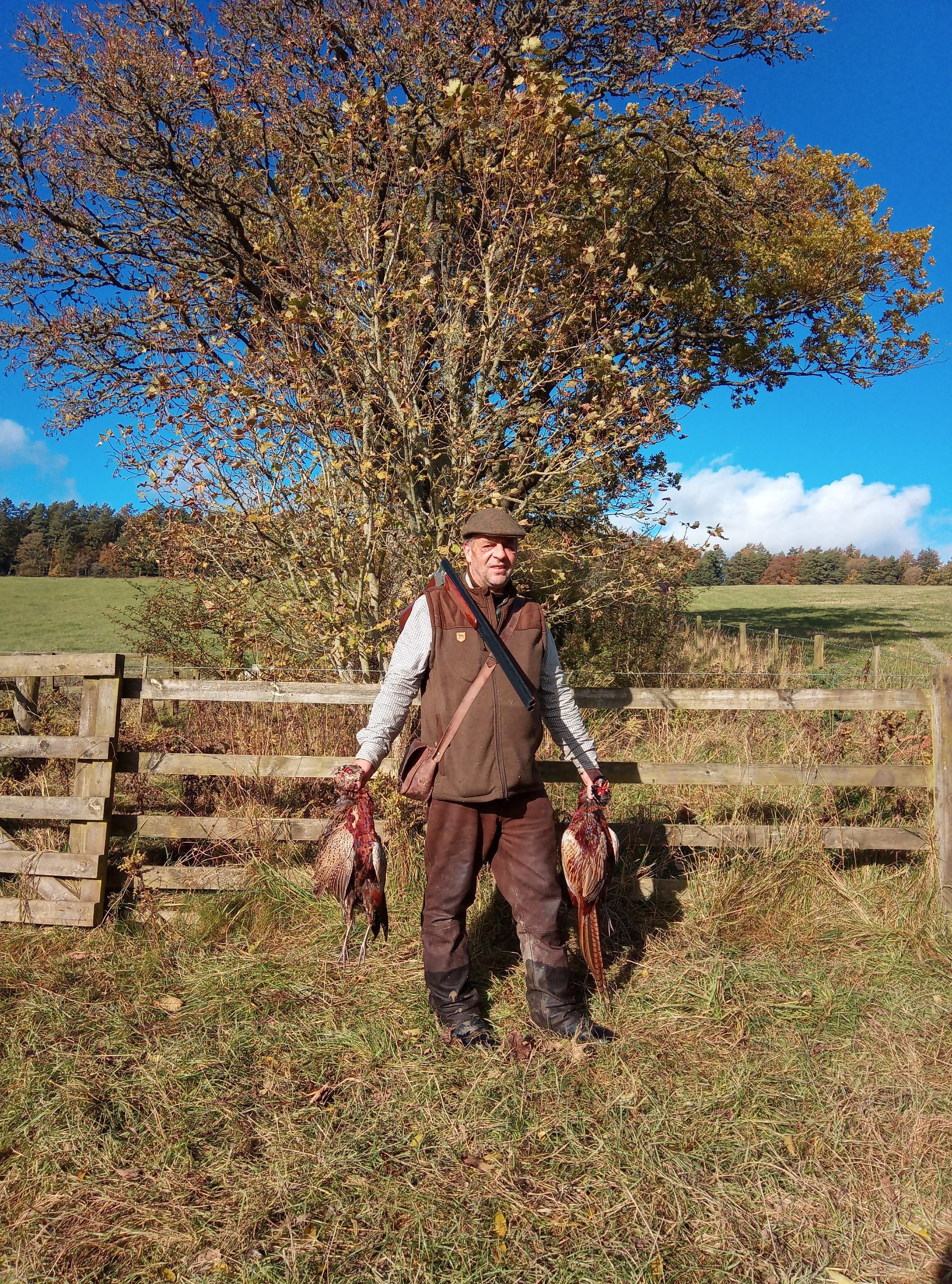
Water- and windproof jacket and trousers, sturdy boots, and a hat or cap
Firearm:
Shotgun, calibre 12, 16, or 20
Ammunition:
Available for purchase on site


Accommodation

Dryburgh Hotel
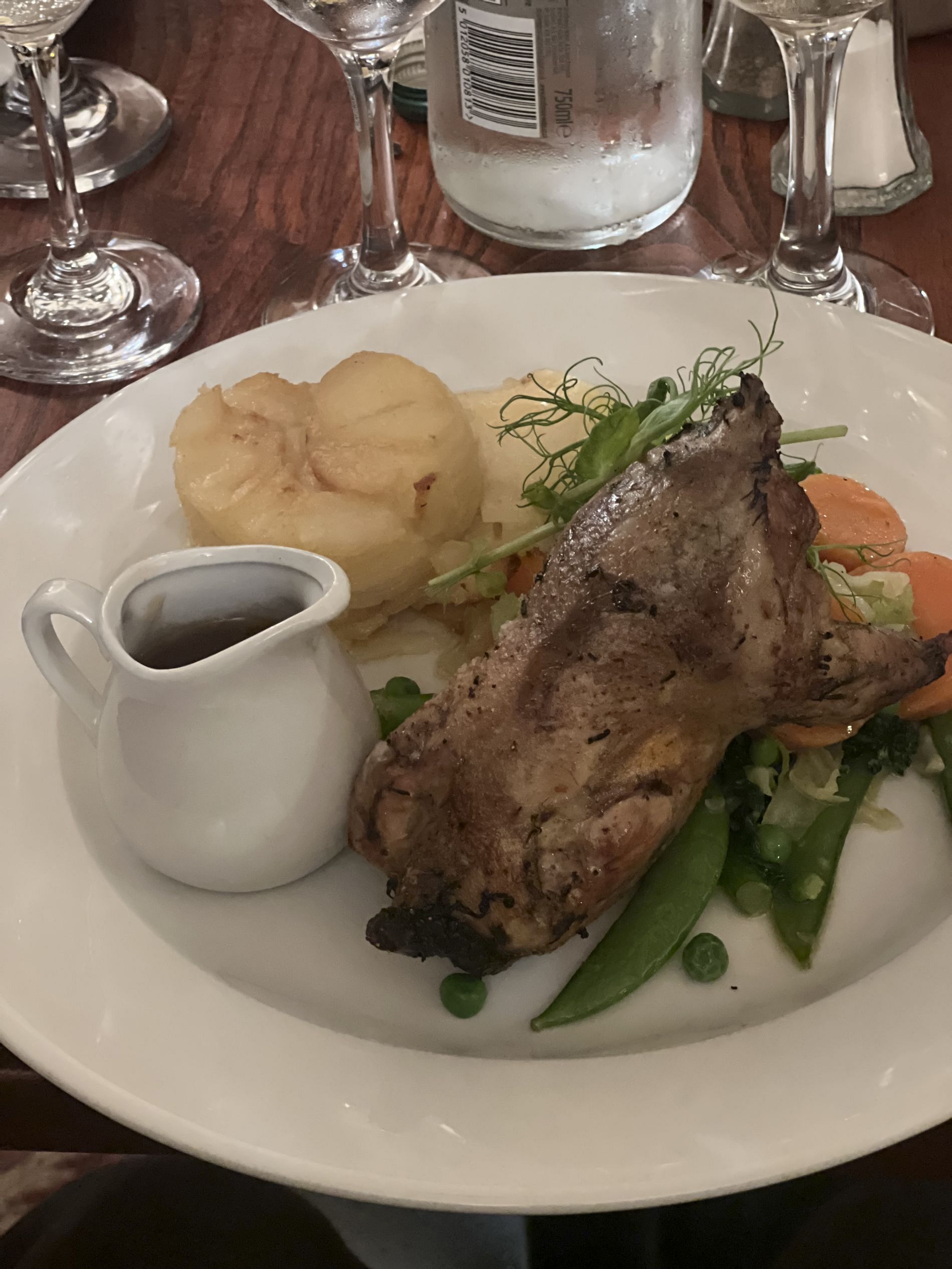
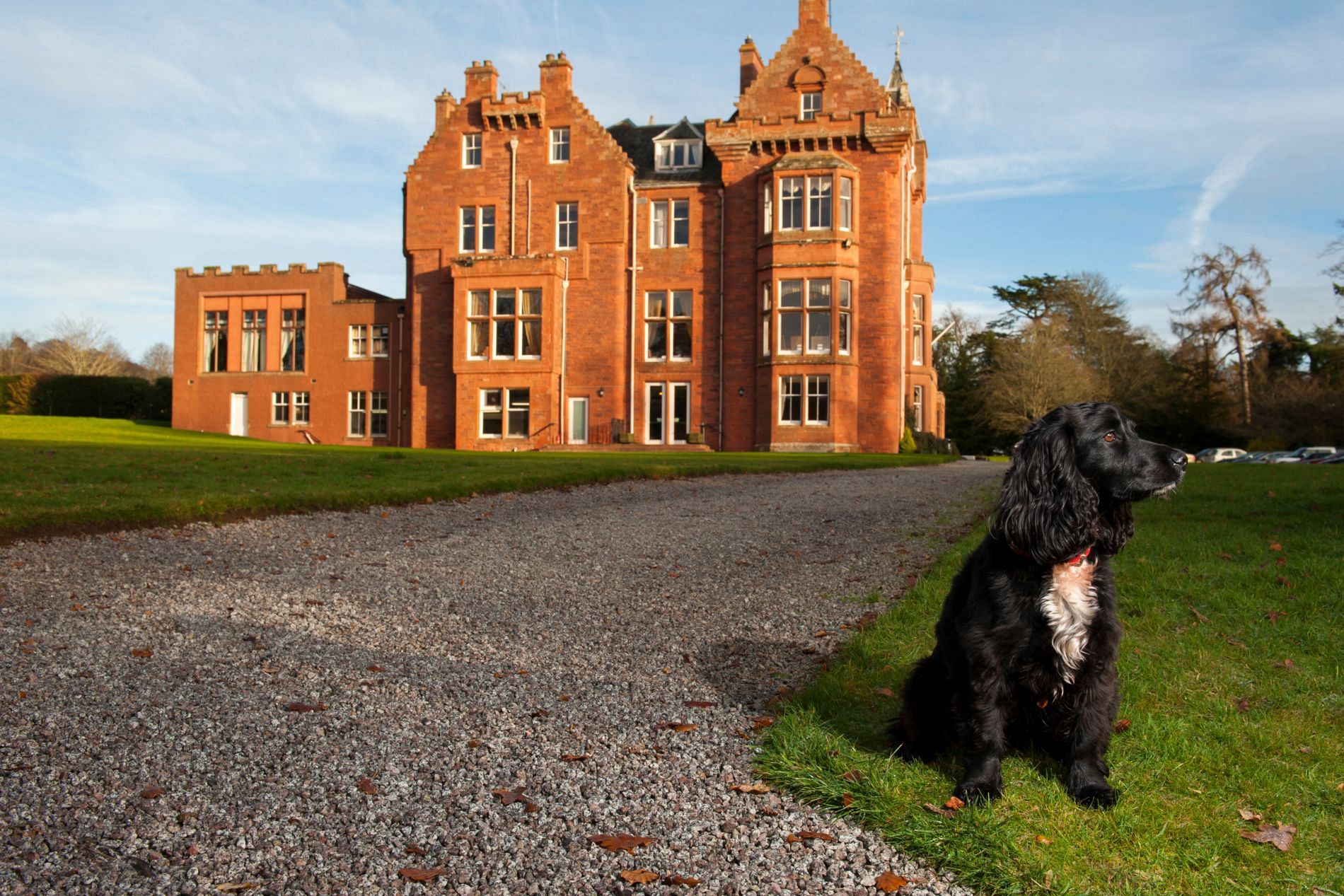
The hotel, which is only an hours drive from Edinburgh airport, is beautifully located on the banks of the River Tweed in the heart of the Scottish Borders. Most of the rooms and public areas offer views over the river. The hotel is a luxuriously furnished 4-star hotel featuring an exceptional restaurant. The menu, as you might expect, features many game dishes with seasonal, locally produced...
Read moreHunting Area

Melrose
The families aim, when the took over the hotel in April 2007, was to combine the perfect hunting hotel with perfect hunting in a fantastic district. A total hunting experience, where both accommodation and the hunting district has been tailored to the needs of the hunter, and the hunter can enjoy the benefits of our partner’s wealth of experience and the high level of service he...
Read moreGame

Duck / Mallard
Gråanden (latin: Anas platyrhynchos) er en svømmeand, der er en almindelig ynglefugl i Danmark og mange andre steder på den nordlige halvkugle, hvor den lever i vådområder som byernes parker, og ofte optræder i flok. Gråanden er stamform til de fleste typer af tamænder, og den opdrættes i...
Read more
Grey Partridge
Scientific Name: Francolinus pondicerianus Sub-species: n/a Habitat: Grassy areas is scrubland and open country Description: Medium sized francolin 26-34cm long. Barred grey/brown plumage with a thin black border to its pale throat. Hunting method: Wing shooting, walking-up Hunting available in: Europe
Read more
Hare, European
Scientific Name: Lepus europaeus Subspecies: Up to 30 subspecies of hare have been described, but the number is disputed and the differences of little interest to hunters. Distribution: Native to much of Europe and part of west/central Asia. Introduced to many countries including England, Scotland, Sweden, Argentina, Australia and New Zealand. Habitat: Found in many types of habitats,...
Read more
Partridges/ red-legged
Rødbenet agerhøne (Alectoris rufa) er en fugleart i familien fasanfugle (Phasianidae). Den er kendetegnet ved sine røde ben, rødbrune næb og en karakteristisk lys stribe over øjet med en sort kant. Nøglepunkter om Rødbenet Agerhøne: Videnskabeligt navn: Alectoris rufa. Udseende: Røde ben, rødbrunt næb,...
Read more
Pheasant
Scientific Name: Phasianus coachicus Subspecies: There are thought to be about 30 subspecies, divided into 5 groups: the Caucasus pheasants, White-winged pheasants, Mongolian ring-necked pheasants, Tarim pheasants and the Chinese ring-necked pheasants. Distribution: Native to Asia but widely introduced elsewhere. Common throughout much of Europe. Habitat: Ground dwelling bird of woods,...
Read more
Rabbit, European Wild
Scientific Name: Oryctolagus cuniculus Subspecies: 3 subspecies are recognised: European rabbit (Oryctolagus cuniculus cuniculus), North African rabbit (O. cuniculus algirus), Iberian rabbit (Oryctolagus cuniculus) Distribution: Native to southwest Europe (Spain, Portugal and western France) and north west Africa (Morocco and Algeria). Widely introduced elsewhere. Habitat: Vegetated areas,...
Read more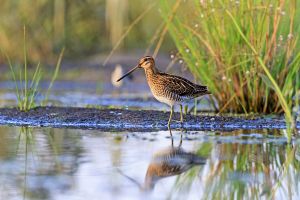
Snipe, Common
Scientific Name: Gallinago gallinago Subspecies: None Distribution: Breeds through most of temperate and northern Europe and into Asia. Habitat: Freshwater marshes, moors, fields Description: Small wading bird, well camouflaged and with a long bill. Mottled brown and black above, with bold, buff coloured stripes on the back forming a V. 25 - 27cm in size. Hunting method: Rough...
Read more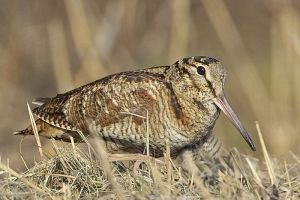
Woodcock, Eurasian
Scientific Name: Scolopax rusticola Subspecies: None Distribution: Breeds through most of temperate and northern Europe and into Asia. Habitat: Forests and woods. Description: Bulky wading bird, well camouflaged by brown and buff barring, creating a “dead leaf” effect. Long down pointing bill. In flight its rounded wings are diagnostic. Size: 32 - 36cm Hunting method: Rough...
Read moreGame that may be purchased additionally

Arctic hare
Scientific name: Lepus arcticus groenlandicus Distribution: Arctic hares in Greenland are found in the Arctic regions, including the tundra and open mountain plateaus. Habitat: Arctic hares in Greenland primarily inhabit tundra areas and open mountain regions. Description: Arctic hares are medium-sized mammals specialized for life in cold climates. They have a seasonal coat that changes from...
Read more
Goose
Scientific Name: Anser anser Subspecies: Two subspecies are recognised: the western greylag goose (A. a. anser) which breeds in Iceland and northern and central Europe and the eastern greylag goose (A. a. rubrirostris) which breeds in Romania, Turkey, Russia and eastwards to northeast China. Distribution: Iceland and east through northern Europe, Russia and Asia to northeastern China....
Read more
Grouse
Scientific Name: Tetrastes bonasia Subspecies: N/A Distribution: From central Europe, across northern Eurasia to northern Japan. Habitat: Conifer and mixed forest Description: Relatively small member of the grouse family. Adult males grey above, with mottled buff, orange, black and browns in wings. Black chin, bordered with white. Boldly spotted white underparts. Female lacks the black bid....
Read morePrices

The price includes
- 4 days stay at Dryburgh Abbey Hotel (shared double room)
- 3 days mixed small game shooting (5-10 pieces of game per hunter/day)
- Full breakfast and dinner included (lunch during the hunt)
- All transport during the hunt
The price does not include
- Flight to Edinburgh
- Rental car / Transfer to and from airport
- Supplement for stay in October, $ 80,- per person (High season)
- Single room supplement, $ 365,- per person
- Scottish weapon permit $ 185,- (if you are bringing your own gun)
- Shotgun rental, $ 76 per day/hunter (recommended)
- Cartridges, approx. GBP £12-15 per box with 25 (to be paid directly)
- Tips for host and hunting guides
- Fee for bringing own shotguns on airplane
- EU-public liability insurance $ 12,00
- Travel- and cancellation insurance
- Everything not listed under "The price includes"
Exchange Rate
The price show for this tour is for guidance only as fluctuations in the exchange rate may need to be taken into account. The actual price of the tour will be agreed later.